1518 W Glenoaks Blvd., Glendale, CA 91201




 818-242-8201
Phones Answered 24/7

Who Is Liable for an Elevator or Escalator Accident in California?
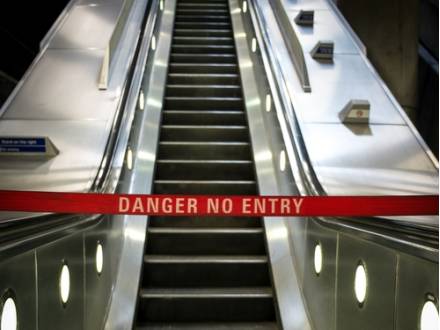 Elevators and escalators carry riders through malls, office buildings, parking structures, and transit stations every day. While most rides end without incident, mechanical problems can occur and cause serious harm. A buckled step, a door that closes before a rider clears it, or a sudden change in an escalator's speed can result in broken bones, head injuries, or other lasting harm.
If you suffered an injury in an elevator or escalator accident in 2026, a Los Angeles, CA premises liability attorney can determine who is responsible and what your claim may be worth.
What Are the Most Common Causes of Elevator and Escalator Accidents?
Most elevator and escalator injuries do not happen because of the rider’s personal mistake. Instead, injuries happen because of mechanical failure or poor maintenance. According to the Consumer Product Safety Commission, an estimated 31,938 people were treated in U.S. hospital emergency departments in 2024.
Common causes of elevator and escalator accidents include:
-
Worn step chains or broken teeth on an escalator's comb plate
-
Elevator doors that close before a rider has fully entered or exited
-
Sudden stops or speed changes caused by faulty sensors
-
Elevators that misalign with the floor and create a trip hazard
-
Loose or damaged handrails that fail to support a falling rider
These problems rarely develop overnight. They often result from months of missed maintenance or ignored repair requests.
What Does California Law Require for Elevator and Escalator Inspections?
California treats elevators and escalators not just as ordinary building features but rather as regulated equipment. Under California Labor Code Section 7304, elevators and other conveyances must be inspected at least once each year. If the equipment is safe and has a full maintenance service contract, the state may issue a permit for up to two years.
The Division of Occupational Safety and Health, known as Cal/OSHA, issues the permit to operate once the equipment passes inspection. The permit must be posted where riders can see it. If a building owner skips a required inspection or ignores a repair order, that failure can serve as strong evidence of negligence in a personal injury claim.
Who Can Be Held Responsible for an Elevator or Escalator Accident in California?
More than one party can be responsible for an elevator or escalator accident. A property owner who fails to schedule inspections or fix known problems can be held responsible under premises liability law.
A maintenance company under contract to service the equipment can also be liable. This is true if the company performed substandard repairs or skipped scheduled visits. If a defect existed in the equipment itself, the manufacturer may share fault too, under product liability law.
Commercial buildings often hire an outside company for elevator and escalator upkeep. As a result, identifying every potentially liable party often requires a detailed investigation. An attorney needs to know who signed the maintenance contract, who did which job, and when the last inspection took place.
What Evidence Helps Prove Fault in an Elevator or Escalator Injury Claim?
Strong elevator and escalator cases rely on documents, and not just someone's account of what happened. Useful evidence includes:
-
Maintenance logs and prior repair requests
-
Inspection and maintenance contracts
-
Cal/OSHA inspection certificates
-
Incident reports filed with building management
-
Surveillance footage from the accident
-
Photos of the broken step, door, or handrail, taken as soon as possible after the accident
Building owners and maintenance companies might not retain these records for long, but a personal injury lawyer can send preservation letters to ensure the evidence remains accessible.
California law limits how long an injured person has to file a premises liability claim. Under California Code of Civil Procedure Section 335.1, most personal injury claims must be filed within two years of the injury. If a government entity owns or operates the elevator or escalator, such as at a transit station, the injured person usually must file a government claim within six months.
Schedule a Free Consultation With a Los Angeles, CA Elevator Accident Attorney
If a malfunctioning elevator or escalator injured you, you deserve to be compensated. We can help you identify every party who may owe you compensation. The LA County, CA premises liability lawyers at Tahmazian Law Firm, P.C. offer free consultations. Call 818-242-8201 today to discuss your case.
Contact Tahmazian Law Firm
 The use of the Internet or this form for communication with the firm or any individual member of the firm does not establish an attorney-client relationship. Confidential or time-sensitive information should not be sent through this form.
I have read and understand the Disclaimer and Privacy Policy.
1518 W Glenoaks Blvd., Glendale, CA 91201818-242-8201
Phones Answered 24/7
From our office in Glendale, our firm serves clients throughout Southern California, including in Los Angeles, Burbank, North Hollywood, Encino, Pacoima, Hollywood, Beverly Hills, Ventura, Pasadena, Westwood, West LA, Van Nuys, Santa Monica, Santa Barbara, San Fernando, Ventura County, Riverside County, Orange County, and Los Angeles County.



Contact Our Firm
The use of the Internet or this form for communication with the firm or any individual member of the firm does not establish an attorney-client relationship. Confidential or time-sensitive information should not be sent through this form.
I have read and understand the Disclaimer and Privacy Policy.