1518 W Glenoaks Blvd., Glendale, CA 91201




 818-242-8201
Phones Answered 24/7

Recent Blog Posts
What Happens if a California Nursing Home Does Not Report a Resident’s Injury?
 Discovering an injury during a nursing home visit is upsetting, especially when no one called to explain what happened. A delayed explanation can leave families questioning whether their loved one received proper care.
Nursing homes have duties to notify the appropriate people about certain injuries and report suspected abuse or neglect. Failing to do so can lead to regulatory action and could support a legal claim. If you suspect nursing home neglect in 2026, our Los Angeles, CA nursing home abuse attorneys will investigate and explain your options.
When Must a California Nursing Home Notify You About an Injury?
For nursing homes that participate in Medicare or Medicaid, 42 CFR § 483.10(g)(14) requires immediate notice when an accident causes an injury that could need a doctor’s care. Staff must tell the resident and contact their doctor. They must also notify the person authorized to act for the resident.
Can I Be at Fault if I Was Hit By a Car While Jaywalking?
 Crossing a busy Los Angeles street outside a crosswalk puts you at risk of being hit by a car. If a driver strikes you, crossing in the wrong place can impact your claim, but it doesn’t mean you cannot seek compensation.
You can share fault for a jaywalking accident, but crossing outside a crosswalk does not automatically make you responsible. If you were injured crossing the street in 2026, a Glendale, CA pedestrian accident attorney will investigate what happened and explain your legal options.
Is Jaywalking Illegal in California?
California still has laws against certain types of jaywalking. However, the Freedom to Walk Act, which took effect on January 1, 2023, changed when police can stop pedestrians for crossing outside a crosswalk.
Under California Vehicle Code Section 21955, pedestrians must use a crosswalk when crossing between adjacent intersections controlled by traffic signals or police officers. Police can only stop someone for breaking this rule when a reasonably careful person would see an immediate danger of a collision.
Premises Liability and Injuries at a Swimming Pool
 Swimming pools are a popular way to cool off in the warm California weather, but injuries can happen quickly. A fall on a wet pool deck or unsafe equipment can lead to serious injuries.
When an unsafe condition causes an injury at a swimming pool, the owner or operator can be responsible under California premises liability laws. If you or your child was injured at a swimming pool in 2026, a Los Angeles, CA premises liability attorney can help determine who was responsible.
Who Is Liable for a Swimming Pool Injury in California?
A property owner or pool operator can be liable when their negligence involving an unsafe condition at a swimming pool causes an injury. This can include hazards in the pool itself or in the surrounding area.
Under California Civil Code Section 1714, property owners are responsible for injuries caused by their failure to use ordinary care in managing their property. At a swimming pool, this can include failing to repair a dangerous condition or warn visitors about a hazard the owner knew or reasonably should have known about.
Who Is Liable if Merchandise Falls on You in a California Store?
 Store shelves can hold everything from small household products to heavy boxes stacked several feet above customers. If an item is unstable or stored improperly, it can fall without giving a shopper much time to react.
A California store could be liable when merchandise falls and injures a customer because the business failed to keep the shopping area reasonably safe. Liability may also involve another party that controlled the area or contributed to the dangerous condition. If you were injured by falling merchandise in 2026, a Glendale, CA premises liability attorney can help you navigate who is responsible.
When Can a California Store Be Liable for Falling Merchandise?
California law requires businesses to use reasonable care to keep their property safe. A store is liable if it knew about unsafe merchandise and failed to fix the problem. It can also be responsible if an employee created the danger, such as by stacking products in an unsafe way.
What Should You Do if You Were Injured by a Recalled Product in California?
 Learning that a product has been recalled can be alarming, especially if you have already been injured while using it. If you were injured by a recalled product, stop using it and keep the product and related materials if you can do so safely. A defective product may support a California product liability claim against a manufacturer or other responsible party. Our Los Angeles, CA product liability attorney can help guide you through the next steps.
What Should You Do With a Recalled Product After an Injury in California?
Do not throw the product away just because the manufacturer offers a refund or replacement. The original item may become important evidence if you later bring an injury claim.
Keep the product, its packaging, instructions, receipt, and any warning labels that came with it when possible. Take photos of the product and any visible damage before moving or storing it. You should also save a copy of the recall notice because it may identify the specific model or defect involved.
Can Social Media Hurt Your California Personal Injury Case?
 Most people do not think twice before posting a photo, checking in at a restaurant, or sharing an update with friends after an accident. However, those posts can affect a California personal injury claim. Insurance companies and defense attorneys often look at public social media accounts for evidence they can use to challenge an injured person's case.
If you were injured in an accident in 2026, it is important to understand how social media activity could affect your claim. A Los Angeles, CA personal injury attorney can help you protect your rights and avoid common mistakes while your case is pending.
Why Do Insurance Companies in California Look at Social Media?
Insurance companies try to gather as much information as possible before deciding how much to pay on a claim. Public social media profiles can contain photos, videos, comments, and location tags that may be used to question the seriousness of an injury.
Who Is Liable for an Accident With a Delivery Driver in California?
 Amazon, FedEx, and UPS vans make constant stops throughout the day, often under pressure to meet tight delivery windows. Online shopping keeps pushing that volume higher. According to the U.S. Census Bureau, retail e-commerce sales reached 326.7 billion dollars in the first quarter of 2026, an increase of 9.8 percent from the same period the year before. This continued growth contributes to the demand for delivery services.
A typical motor vehicle accident involves two drivers and their insurance companies. A delivery driver accident can involve the driver, the delivery company, and a separate business that contracts with that company, with each party potentially carrying a different share of the blame. If you were hurt in a crash involving a delivery driver in 2026, a Glendale, CA personal injury attorney can help sort out who owes you compensation.
Who Is Liable for an Elevator or Escalator Accident in California?
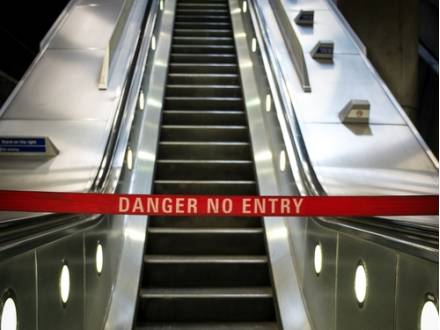 Elevators and escalators carry riders through malls, office buildings, parking structures, and transit stations every day. While most rides end without incident, mechanical problems can occur and cause serious harm. A buckled step, a door that closes before a rider clears it, or a sudden change in an escalator's speed can result in broken bones, head injuries, or other lasting harm.
If you suffered an injury in an elevator or escalator accident in 2026, a Los Angeles, CA premises liability attorney can determine who is responsible and what your claim may be worth.
What Are the Most Common Causes of Elevator and Escalator Accidents?
Most elevator and escalator injuries do not happen because of the rider’s personal mistake. Instead, injuries happen because of mechanical failure or poor maintenance. According to the Consumer Product Safety Commission, an estimated 31,938 people were treated in U.S. hospital emergency departments in 2024.
What Happens If You Are Injured in a Self-Driving Car Accident in California?
 Companies like Waymo have been running fully driverless rides on California roads since 2023, with more operators entering the market every year. The California Department of Motor Vehicles reports that AV permit holders logged more than 9 million test miles on California roads during the 12-month period from December 1, 2024, through November 30, 2025. With that much activity, crashes involving these vehicles are becoming more frequent.
If you were hurt in a self-driving car accident in 2026, figuring out who owes you compensation is more complicated than in a regular car crash. A Glendale, CA car accident attorney at our firm can help.
What Happens If You Are Injured by an Uninsured Driver in California?
 According to the Insurance Research Council, more than one in seven drivers nationally, 15.4 percent, carried no liability insurance in 2023. If you were hurt in a car accident and the driver who hit you has no insurance, you may still have options for recovering compensation in 2026.
California law gives injured victims a path forward even when the at-fault driver cannot pay, and a Glendale, CA personal injury attorney can help you understand what coverage applies and how to pursue a claim.
What Is Uninsured Motorist Coverage in California?
Uninsured motorist coverage, often called UM coverage, is a type of car insurance that pays for your injuries when the at-fault driver has no liability insurance. Under California Insurance Code § 11580.2, all California auto insurers are required to offer this coverage to policyholders. Under California law, you can turn down this coverage in writing, but if you did not, you likely have it.
Contact Tahmazian Law Firm
 The use of the Internet or this form for communication with the firm or any individual member of the firm does not establish an attorney-client relationship. Confidential or time-sensitive information should not be sent through this form.
I have read and understand the Disclaimer and Privacy Policy.
1518 W Glenoaks Blvd., Glendale, CA 91201818-242-8201
Phones Answered 24/7
From our office in Glendale, our firm serves clients throughout Southern California, including in Los Angeles, Burbank, North Hollywood, Encino, Pacoima, Hollywood, Beverly Hills, Ventura, Pasadena, Westwood, West LA, Van Nuys, Santa Monica, Santa Barbara, San Fernando, Ventura County, Riverside County, Orange County, and Los Angeles County.



Contact Our Firm
The use of the Internet or this form for communication with the firm or any individual member of the firm does not establish an attorney-client relationship. Confidential or time-sensitive information should not be sent through this form.
I have read and understand the Disclaimer and Privacy Policy.